








The Ministry of Industry and Trade aims to develop one to two competitive e-commerce platforms by 2030 owned and operated by Vietnamese businesses, with a strong presence in the domestic market.
Under a plan issued by the municipal People''s Committee on October 19, Hà Nội will pilot a digital consumption and e-commerce support model for 2026-28, aiming to expand online commerce across the capital and bring more small-scale producers into the...
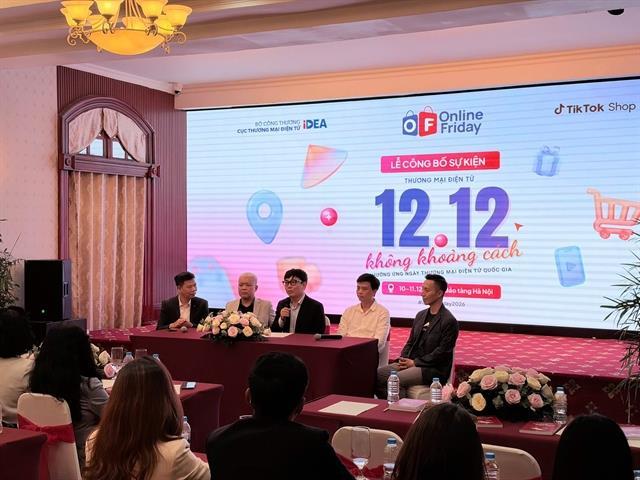
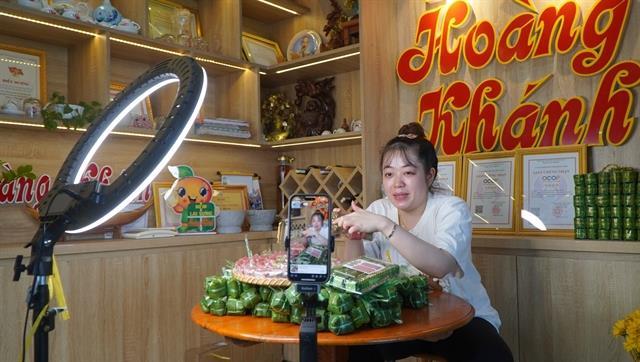
For 2027, TikTok Shop wants at least one exemplary e-commerce commune in every locality and plans to expand in Lai Châu’s Than Uyên and Hà Nội’s Bát Tràng and Thư Lâm.
Vietnamese businesses are moving beyond contract manufacturing to build their own brands and capture greater value in global markets, with cross-border e-commerce opening up new opportunities.
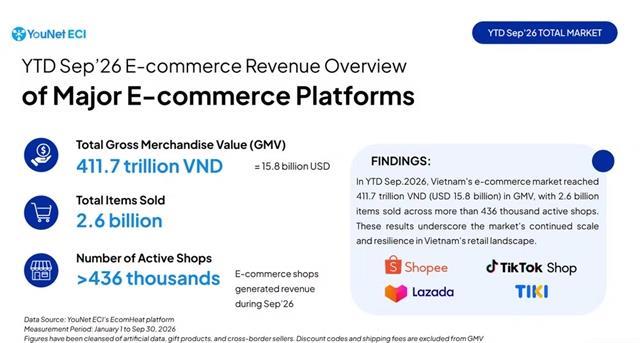
According to data from YouNet ECI’s EcomHeat platform, gross merchandise value (GMV) across the country’s four largest e-commerce platforms including Shopee, TikTok Shop, Lazada and Tiki, reached VNĐ411.8 trillion (US$16 billion) during the period.
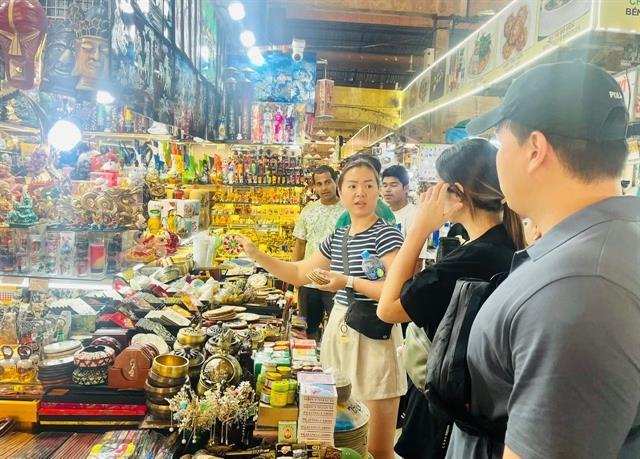
Traditional shops and markets are forecast to retain around 60 per cent of Việt Nam’s retail market by 2030, but grocery stores must adopt digital tools and improve management to compete as modern chains and e-commerce expand, experts say.
Đà Nẵng aims for its digital economy to account for 27 per cent of GRDP in 2026, as part of efforts to reform its growth model and develop new economic drivers in line with government resolutions and the city''s digital economy development...
Gross merchandise value across the four major platforms (Shopee, TikTok Shop, Lazada and Tiki) reached about VNĐ291.6 trillion (US$11.2 billion) in the first half of 2026, up 44.1 per cent from a year earlier.
The programme targets businesses with promising products that already have experience selling online domestically and are looking to reach international consumers.
Yeah1 plans to hold a 9 per cent stake, equivalent to 450,000 shares, while its subsidiary Mango+ Entertainment and Media Co., Ltd. will hold 40 per cent, or 2 million shares. The remaining 51 per cent will be held by...
The second phase of the Access to the European Market through E-commerce project focuses on helping these businesses meet the standards, regulations and buyer requirements needed to enter the EU market.
Consumers are spreading purchases across major online sales events, while e-commerce platforms compete for a growing share of year-end and Tết spending.